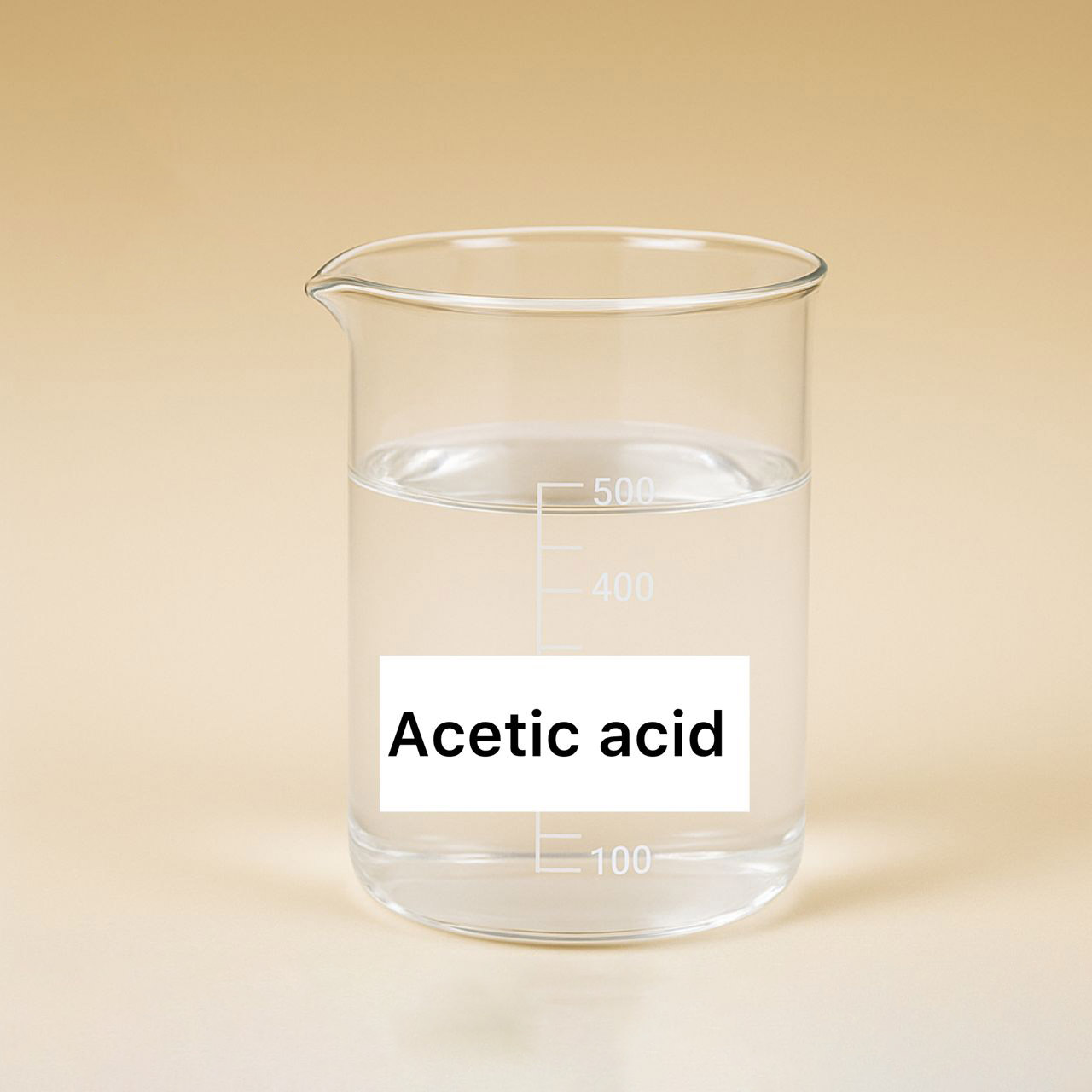
Acetic Acid
Acetic acid is one of the most important and widely used chemicals, playing a key role in many industries. Understanding its properties, applications, and safety considerations helps in making the right choice and using it correctly.
What is Acetic Acid? | Uses, Properties, Safety Tips and Purchasing Acetic Acid
What is Acetic Acid? Acetic acid (Acetic Acid) is a weak organic acid with the chemical formula CH₃COOH. It is recognized as a colorless liquid with a sharp, pungent odor. This substance is the main component of vinegar and plays a very important role in the chemical, food, pharmaceutical, and manufacturing industries.
Acetic acid is considered one of the most widely used chemical raw materials in the world and, due to its special chemical properties, has a wide range of applications.
Physical and Chemical Properties of Acetic Acid
- Chemical formula: CH₃COOH
- Molecular weight: 60.05 g/mol
- Physical state: Colorless liquid
- Odor: Sharp and pungent
- Boiling point: Approximately 118 °C
- Solubility: Completely soluble in water
Applications of Acetic Acid in Various Industries
Use of Acetic Acid in the Chemical Industry Acetic acid is used as a raw material in the production of:
- Vinyl acetate monomer (VAM)
- Acetates and industrial solvents
- Resins, polymers, and adhesives
Use of Acetic Acid in the Food Industry
- Production of edible vinegar
- Natural food preservative
- Acidity regulator (pH control)
Use of Acetic Acid in the Pharmaceutical Industry
- Production of medicines and pharmaceutical compounds
- Mild disinfectant
- Use in medical laboratories
Use of Acetic Acid in the Detergent/Cleaning Industry
- Removal of limescale deposits
- Production of industrial cleaning agents
- Elimination of unpleasant odors
Difference Between Industrial and Food-Grade Acetic Acid Industrial acetic acid has a high concentration and contains chemical impurities and must never be used for consumption or food purposes. In contrast, food-grade acetic acid is produced with a lower percentage and meets hygienic/food safety standards.
Safety Precautions When Using Acetic Acid
- Wearing gloves and safety goggles is mandatory
- Avoid inhaling its vapors
- Direct contact with skin and eyes is dangerous
- Use only in a well-ventilated area
Advantages of Acetic Acid ✔ Reasonable price ✔ Easy availability ✔ Wide application in various industries ✔ High effectiveness in chemical processes
Purchasing Acetic Acid | Price and Important Tips When buying acetic acid, pay attention to the following:
- Purity percentage and grade (industrial or food-grade)
- Type of packaging
- Brand and country of manufacture
- Product analysis certificate (COA)
Summary Acetic acid is one of the most important and widely used chemicals, playing a key role in many industries. Understanding its properties, applications, and safety considerations helps in making the right choice and using it correctly.


-
Acetic Acid and the Role of Saba Shimi Mehr in Chemical Industries
Acetic acid (CH3COOH) is one of the most critical chemical compounds in the industry. Due to its unique properties, it is utilized across diverse sectors ranging from food production to pharmaceuticals. Known commonly as ethanoic acid, this weak acid is recognized as a fundamental building block in the synthesis of organic compounds. In Iran, leading companies such as Saba Shimi Mehr play a key role in meeting domestic industrial demands by focusing on the production and distribution of high-quality chemicals. By leveraging modern technologies, this company produces and supplies acetic acid in accordance with global standards.
-
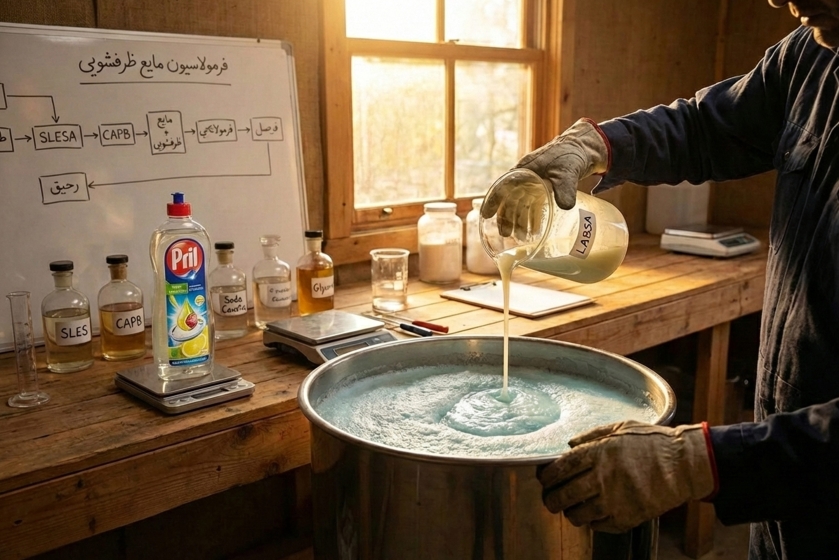
how to make dish washer
The materials needed to make the dishwashing liquid formulation are: linear alkylbenzene sulfonic acid (LABSA), sodium hydroxide (caustic soda), cocoamidopropyl betaine (CAPB), coconut diethanolamide (CDEA), sodium lauryl ether sulfate (SLES), Sodium Lauryl Sulfate (SLES), Propylene Glycol, Glycerin, Color, Fragrance and Water.
-
how to make hair shampoo
Do you want to produce shampoo for a specific type of hair? Oily hair, dry hair, dandruff, etc.? While essentially the same formula is required to produce all of the above products, you can add and modify specific ingredients for specific markets. The AustraLab program includes many shampoos, conditioners, styling aids and finished product formulas that you can tweak to create endless combinations. You can start your own profitable business as a private label hair care manufacturer or make conditioners and shampoos for your salon.
-
how to make toilet liquid
Commercial and economic grade liquid soap formulation The ingredients required to make the liquid toilet soap formulation are: water, sodium lauryl ether sulfate (70%), sodium lauryl sulfate, softener, foam enhancer, skin softener, vitamin E, glycerin acid, glycerin, glycerin, glycerin, Glycerin, glycerin and fatty acids, fragrance